Economics, Markets & Capitalism

Understanding economics, the stock market, and capitalism requires crossing the rigor of present numbers with the perspective of past lessons. Far from abstract theories or ideological dogmas, economics is analyzed here as a living, political, and eminently human matter.

This main category encompasses the major pillars of building and understanding the material world: long-term stock market investing (stocks, dividends, ETFs), holding tangible protection assets (gold, real assets), physical and paper real estate, and private equity. It also explores investor psychology, the mechanisms of money and central banks, the thoughts of great economists, and the deep forces of work, demographics, and innovation.

I approach these topics with a dual perspective: that of an active trader on futures markets since 1994, facing the reality of financial flows daily, and that of a historian by training, attached to the longue durée and the deconstruction of economic myths. The goal is to provide you with clear explanatory keys, far from financial marketing, to understand current events and manage your wealth in an enlightened manner.

Discover the subcategories below to feed your economic culture and build a solid wealth strategy, anchored in the reality of cycles.

alfred marshall 160x120

Marginalism: Understanding Value and Price in Economics

2 14 2017 - No comment

 What is marginalism? Marginalism comes from the concept of value. The greatest classical economists such as Adam Smith, mentioned that the value of a good depends on the number of hours of work needed for its manufacture. In the nineteenth century, other economists such as Alfred Marshall argued that it is in fact the usefulness […]

Ben Bernanke and Moral Hazard 160x120

What is Moral Hazard in Finance?

2 12 2017 - No comment

What is moral hazard? When a banker decides to lend money, he does not always know how the money will be used, but he will set an interest rate. The client is often the only one who knows how this money will be used, but having obtained a fixed rate with repayments fixed to start […]

Eugene Fama Efficient Market 160x120

The Efficient-Market Hypothesis Explained

2 8 2017 - No comment

What is an efficient market? The efficient-market hypothesis was developed by Eugene Fama between the 1950s and 1960s. This hypothesis assumes that when a market is sufficiently developed, and that the information in that market is known by all the players, who are all rational, it will react almost instantly and properly. Interpretation of the […]

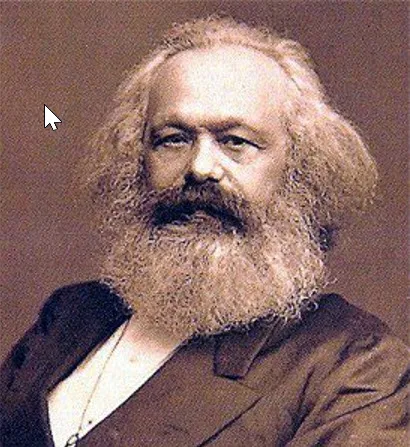
Karl Heinrich Marx father of Marxist theory 160x120

Marxism and Economic Theory: A Historical Perspective

1 27 2017 - No comment

What is Marxism? Exploitation exists because of capitalistic profit because it imposes profit. To explain the market Marx argued that each commodity had 2 final values. Firstly the use value that corresponds to the value of the product’s utility, that is to say the use that is made of this product. Secondly is the exchange […]

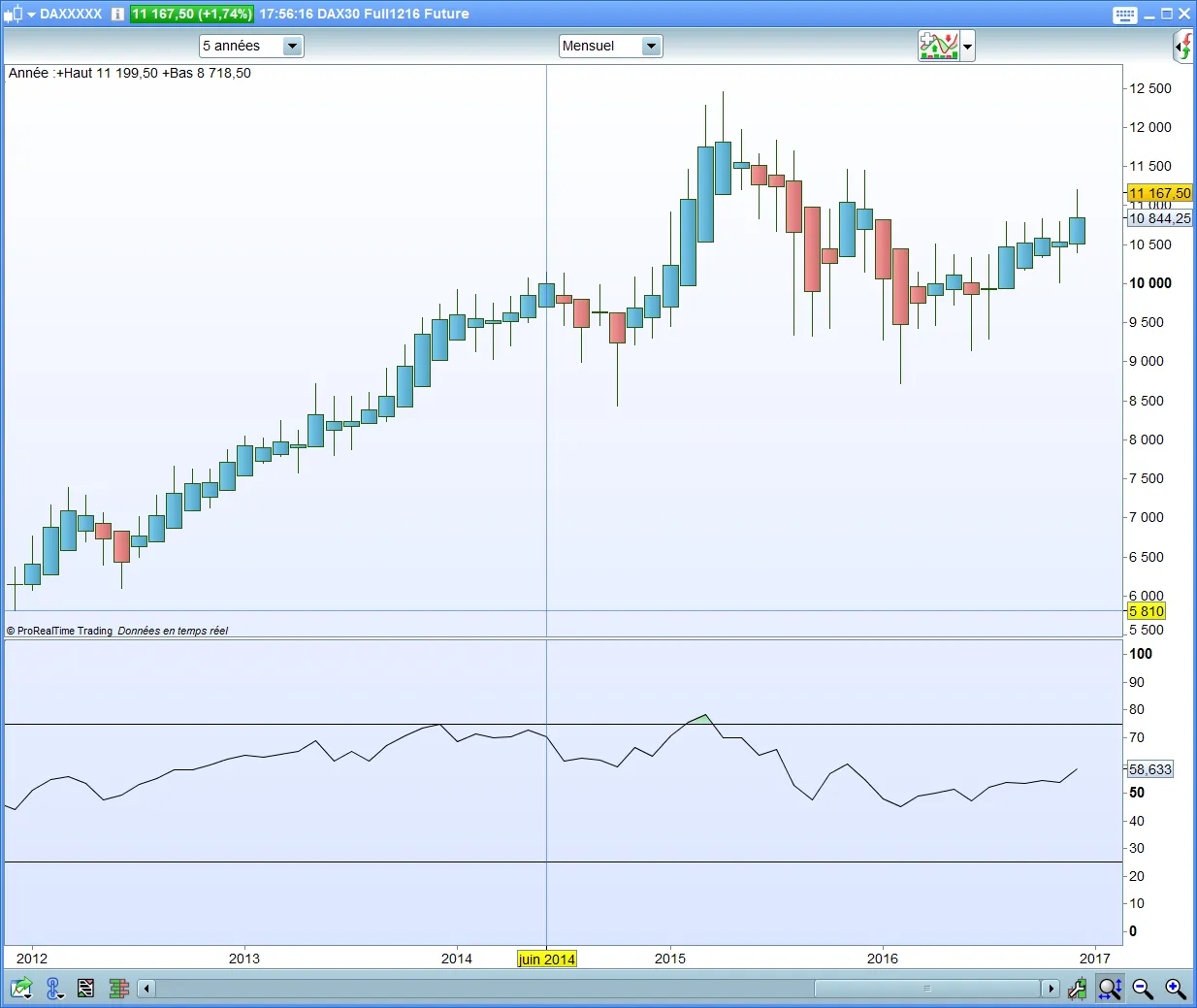
dax 30 160x120

History and Composition of the DAX 30 Index

12 8 2016 - No comment

History of the DAX 30 index The DAX 30 or Deutscher Aktieninde is the main German stock market. It brings together the 30 most important German companies trading on the Frankfurt Stock Exchange. It is the main European stock index on the world market. It was established at the beginning of the 1980s but it […]

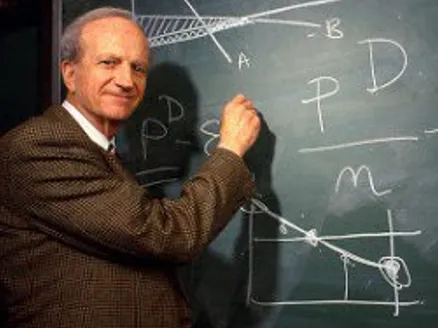
Gary Becker and rational choice 160x120

Rational Choice Theory in Financial Markets

12 7 2016 - No comment

What is rational choice? In all areas of a person’s life, they act rationally when it is a question of decision making. For example, during an investment decision, an investor makes his choice according to the utility which ensues from it. The possible benefit obtainable from each decision is considered. It is this level of […]

fsb 160x120

Understanding Basel 3: Impact on Banking and Financial Markets

11 6 2016 - No comment

What is Basel 3? Basel III is a set of agreements which contains suggestions for new regulations for the banking sector. Following the 2007 subprime crisis, the FSB (Financial Stability Board) and the 2010 G20 in Seoul contributed to the development of new stability measures for the world banking system. Analysis of the crisis' effects […]

ProRealTime Trading

  Why do I trade CFDs and Futures at the same time?

  Why do I trade with ProRealTime CFD and ProRealTime Futures?

  Try a Free Demo Account or a Real acount

Twitter Facebook Google Plus Linkedin email

My Cfds and Futures Broker

ProRealTime

Recent Comments

  • Benoist Rousseau : See page 8 and 14 ;)…
  • M. : Hi, I purchased your book and it mentions acess to a private…
  • Mic : This is so true! Thank you.…
  • Adam Jones : Good post! CFDs and Futures trading are both forms of deriva…
  • AHIMBISIBWE ROBERT : How can i join financial markets?…