

What is adverse selection?
The market is supposed to self-regulate and to be a perfect meeting place between supply and demand. This may however sometimes show signs of failure.
For example, you want to buy a used car costing around €2,000 on the market. You then meet someone who offers to sell you the model that you are looking for at €1,800. Only he knows that his car has a recurring problem, even though it was never flagged in the technical inspection. He therefore knows that he is the one who is getting the good deal. Not knowing this valuable information, you think you have found a good deal, but this is not the case. This is called information asymmetry. It is proof of failures that exist in the market in general. The market is distorted because of lack of information about supply or the demand.
Sellers try to take advantage of the lack of demand information to sell poor quality products, at the highest prices.
The financial markets have shown, through “toxic” assets, that there is also information asymmetry on the financial markets. Indeed, not being informed about the structure of these assets, financial institutions bought high-risk products without knowing it.
How to resolve adverse selection?
To resolve the problem of adverse selection, a neutral intermediary, not having a personal interest in the transaction, has to tell the market players the true price of goods.
In financial markets, it is the broker’s role to offer market price quotations according to supply and demand. Financial markets are an example of basic market operations, a meeting place between supply and demand, with a high volume of transactions. However, even financial markets demonstrate that the market is sometimes rigged, particularly in the case of insider trading.
Quote about adverse selection
“For most cars traded will be the “lemons,” and good cars may not be traded at all. The “bad” cars tend to drive out the good (in much the same way that bad money drives out the good).”
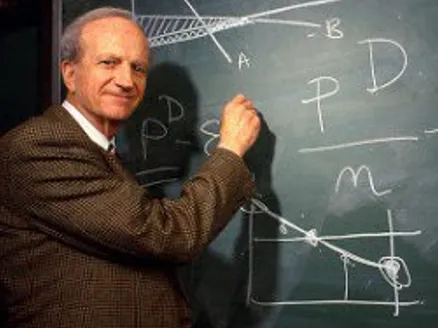
George A. Akerlof
George Akerlof and adverse selection : http://www.econ.yale.edu/~dirkb/teach/pdf/akerlof/themarketforlemons.pdf
A historian by training, I approach economics as a practitioner: since 1994 I have seen every day on my screens what the decisions of central banks and governments do to prices. I try to explain what lies behind the figures, without jargon and without promises.
Discover my background






The complete course Free
Trading starts with the right tools.
- The complete course on the platform
- My Charts & Workspaces: exclusive access to my custom indicators, templates, and settings
- Guided configuration, step by step
When you are ready To go further
Courses, seminars, webinar, and private coaching. I accompany you personally.
Discover the School